For years, I only knew the legs of my brother in law. The rest lay under a car he was trying to repair. Next year, the same trousers, a different car. A passioned librarian, he knew exactly where to find the relevant instruction material, and he had the ambition to be able to do everything himself.
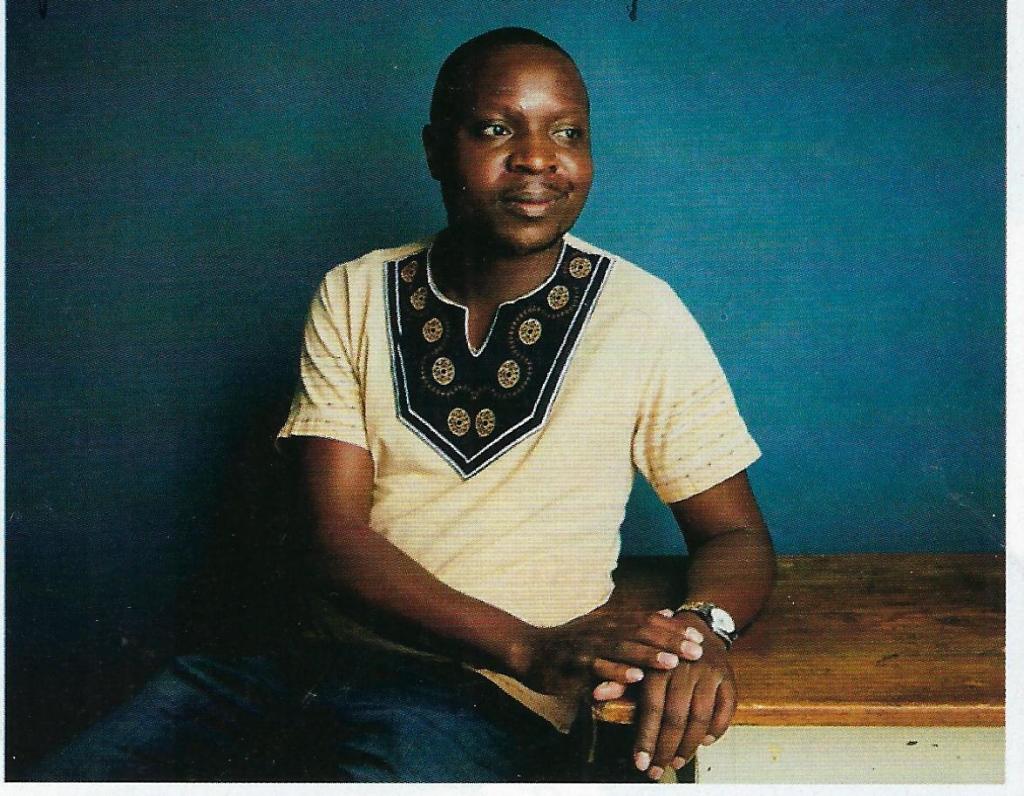
There are more famous examples of people who learned without being taught. One is William Kamkwamba in Malawi. He was 14, when he built a wind mill to produce electricity. The only son (with six sisters) of a small farmer, he taught himself how to do it from a book he found in a library. He was a school dropout, because his parents were too poor to pay the school fee of $ 80 per year. Now you can find the film The boy who harnassed the wind on his life on Netflix.
Well known is the Hole in the Wall experiment that showed how quickly children learn. A computer was placed in a kiosk in a wall in a slum in Delhi, and children were allowed to use it freely. The experiment aimed at proving that children with a minimum of formal training could be taught by computers. It demonstrated that groups of children can learn to use computers and the Internet on their own with public computers in open spaces such as roads and playgrounds, even without knowing English. The Hole in the Wall Education Project developed a whole education philosophy around it (http://www.hole-in-the-wall.com/)
So a big question is what would be needed that more people could learn outside schools with a minimum of support. They obviously need access to some sources (books, the Internet). They need some inspiration and motivation, they need discipline, and they need time.
 triplelll.nl