
http://www.steve-wheeler.co.uk/2013/08/enjoy-your-trip.html
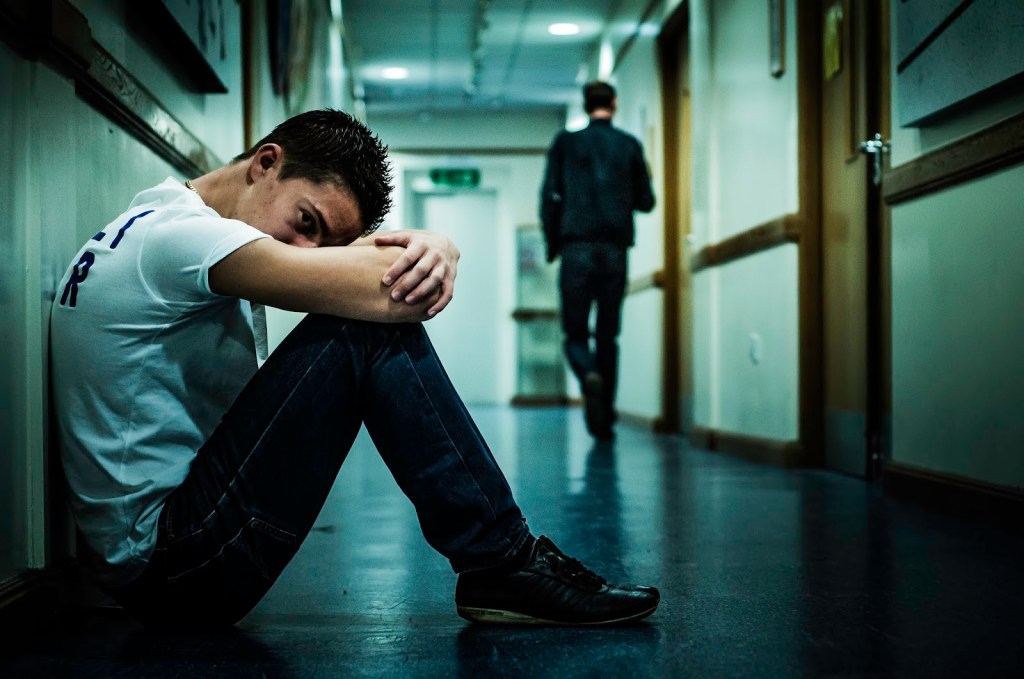
One of the biggest obstacles for lifelong learning are negative school experiences. In most countries, teachers are no longer the most important reasons for that. Negative experience can result from many other factors – class composition, bullying, discrimination, boring lessons, overly ambitious parents, examination stress, performance anxiety, dyslexia, being the youngest, being the shortest, remaining without friends….. There is a myriad of reasons why students can feel excluded, marginalized or under pressure in a forming period of life.
Feeling not at ease at school can lead to underperformance – which then triggers a vicious downward cycle. That can lead to a lifelong “low-learning scar effect”. Memories of school do not have to be clinically traumatic. They still can stand in the way of anything that looks like “school”: they affects both – the motivation and the ability to participate in future training. A literature study of 60 relevant articles describes these effects for different groups with low skills – school dropouts, people who finished school but do not have the right skills for future employment, and elderly people. One of the conclusions from the analysed studies is that informal education and investment in increasing confidence of potential learners are the best remedies to reduce the damage from negative school experience.
Any programme that wants to improve lifelong learners therefore should not focus exclusively on people beyond 55. Creating a basis for lifelong learning starts already in early childhood in the pre-school period when confidence is built – or not.
 triplelll.nl